7 Days · 15 Days · 30 Days · Tunisia
Come to the Mediterranean.
Come back nourished.
Carthage Table is a Mediterranean reset in Tunisia — 7, 15 or 30 days built around fresh food, rest, culture, the sea and the people who live it every day.
Research has consistently shown that the Mediterranean diet is effective in reducing the risk of cardiovascular diseases and overall mortality.
— Harvard T.H. Chan School of Public Health, The Nutrition Source
Food is the journey.
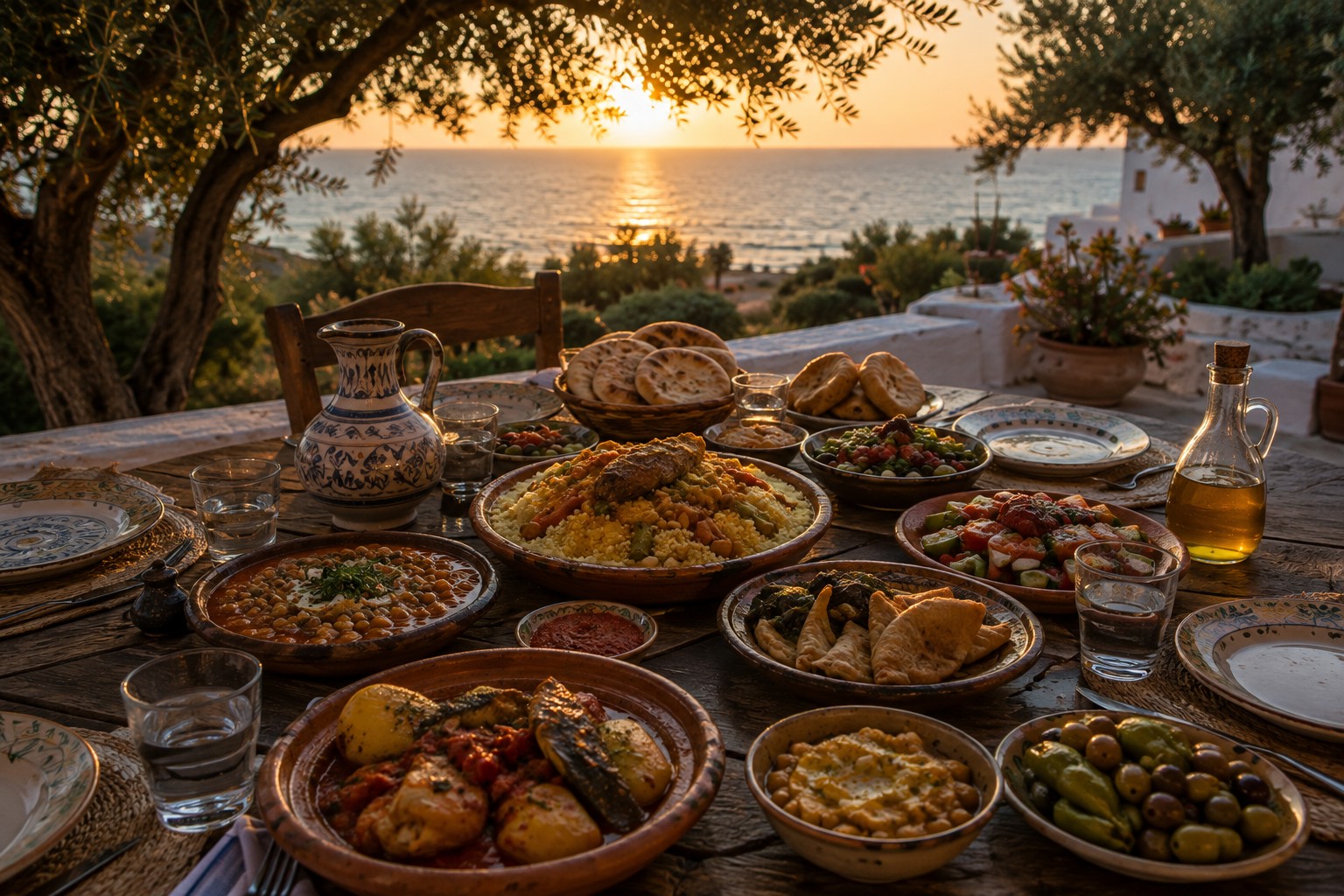
At Carthage Table, food isn't something that happens between excursions. It's the reason for the trip.
We follow ingredients from the land and sea to the market, the kitchen and finally the table — and everything else, the history, the villages, the coast, surrounds that table rather than competing with it.
Research provides the credibility. Tunisia provides the experience.
What the research says
Research has consistently shown that the Mediterranean diet is effective in reducing the risk of cardiovascular diseases and overall mortality.
— Harvard T.H. Chan School of Public HealthWhat Carthage Table offers
Meals inspired by these traditions, cooked with Tunisian ingredients, for the length of your stay.
What the research says
It's less of a diet, which is a restricted way to eat, and more of a lifestyle.
— Mayo Clinic StaffWhat Carthage Table offers
A week or more living inside that lifestyle, not just reading about it.
What the research says
The American Heart Association recommends a Mediterranean-style diet as a healthy dietary pattern.
— American Heart AssociationWhat Carthage Table offers
A direct, hands-on introduction to what that dietary pattern actually looks like at the table.
What the research says
A Mediterranean-style diet was associated with a reduced risk of premature death in a study of more than 25,000 women.
— National Heart, Lung, and Blood Institute (NIH)What Carthage Table offers
Time immersed in the ingredients and habits this research describes, not a promise about your own health outcomes.
Population-level research on eating patterns is not a promise about what any one guest will personally experience. Carthage Table is a culinary and cultural travel experience, not a medical treatment or weight-loss program.
Your body takes you everywhere. Give it a vacation too.
We travel to escape routine and give our minds room to breathe. Carthage Table asks a different question: what if we gave our bodies that same break?
For a week, two weeks, a month or longer, step away from your usual food environment. Eat meals built from fresh, recognizable Mediterranean ingredients, prepared the way they've been prepared here for generations.
No calorie counting. No restrictive program. No miracle promises — just good food, time, movement, sunshine and another rhythm of life.
The Mediterranean you haven't discovered yet.
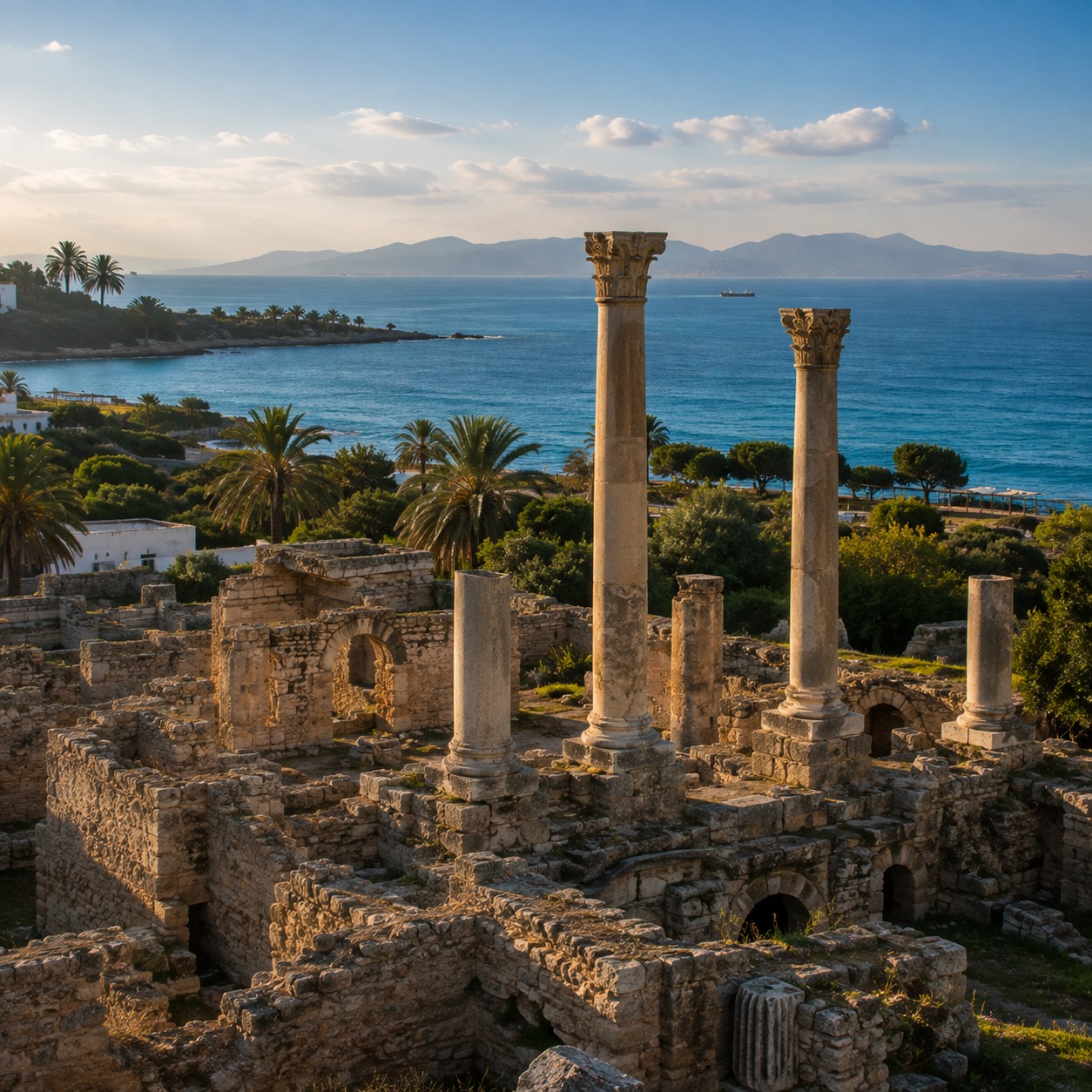
The table may be at the heart of the journey, but Tunisia extends far beyond it. Tunisia sits at the heart of the Mediterranean — closer to Sicily than most Americans realize, facing Italy across a narrow stretch of sea. Before Rome ruled these waters, Carthage did.
Tunisia isn't on the edge of the Mediterranean story. It helped write it.
Everything at Carthage Table moves through the same four ideas.
Nourish
Fresh, seasonal, real
Meals built from what the market, the grove and the boat offer that day — traditional recipes, olive oil, and ingredients you can recognize.
Reset
A change of routine
A temporary shift in food environment and daily rhythm. Not a program. Not a rulebook — a different everyday, for a while.
Rest
Sea, sun, slow mornings
Long lunches, walking, sleep, and time without a schedule pressing on it. Mediterranean living, not a retreat itinerary.
Discover
Tunisia, properly
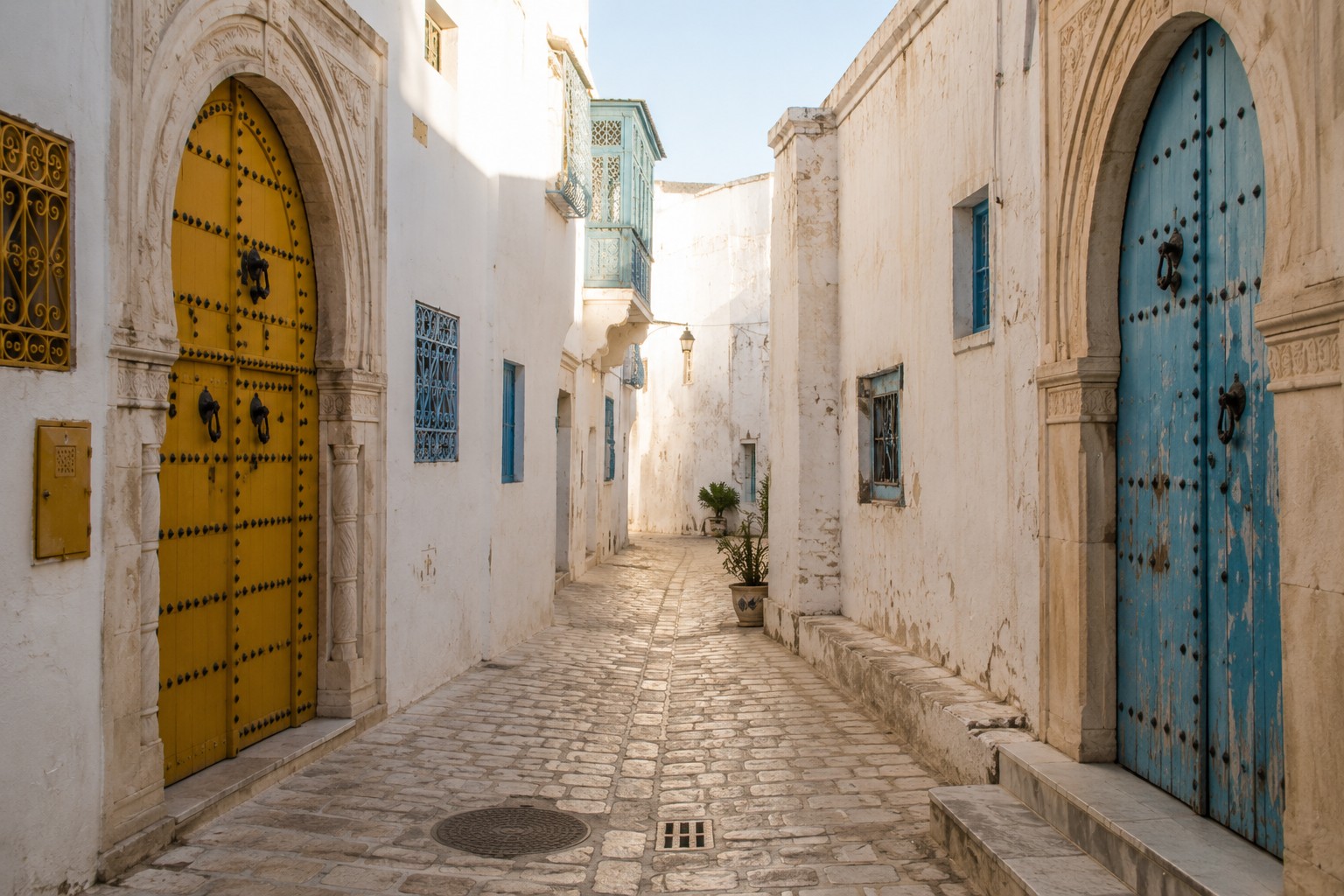
Carthage, medinas, working villages, family kitchens and the people who grow, catch and cook what you'll eat.
Eat what the Mediterranean gives you.
The journey changes through the year because the land does. Turn the wheel to see what a season on the Tunisian table looks like.
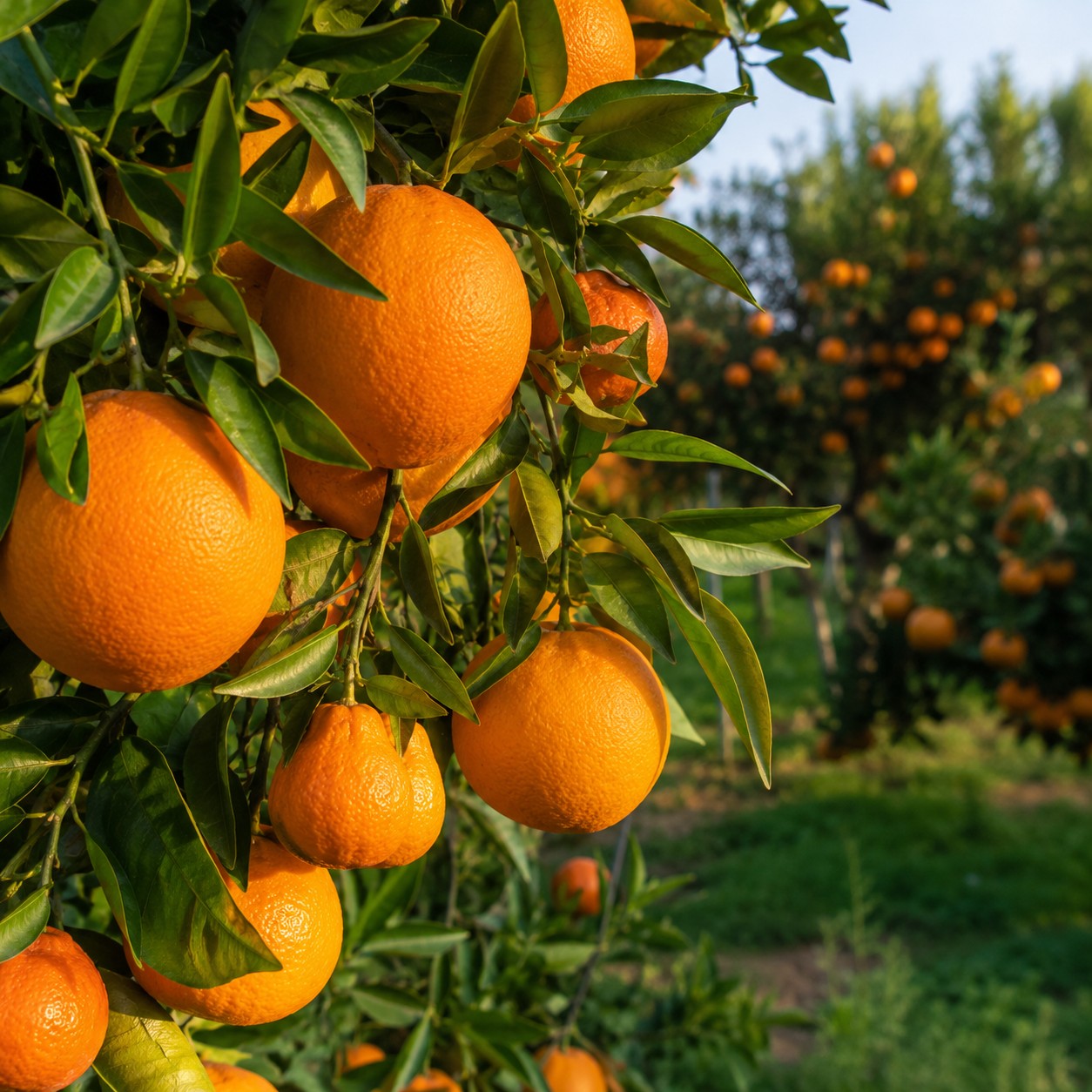
- Oranges
- Mandarins
- Lemons
- Dates
- Fennel
- Leafy greens
- Legumes
Provisional — to verify against current Tunisian harvest data.
Farm to table, meant literally.
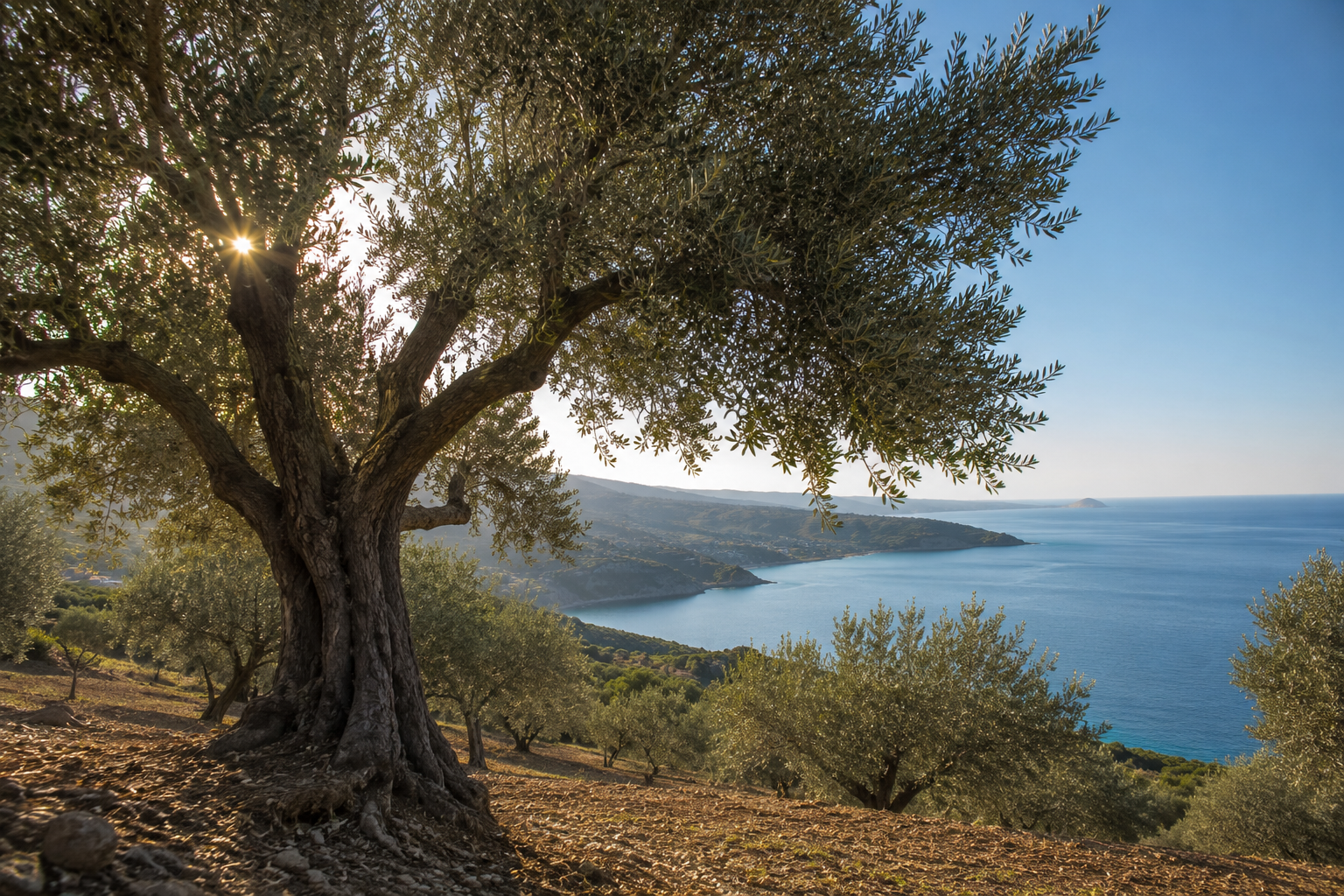
Farm
Morning at a working farm or grove, meeting the people who grow what you'll eat.
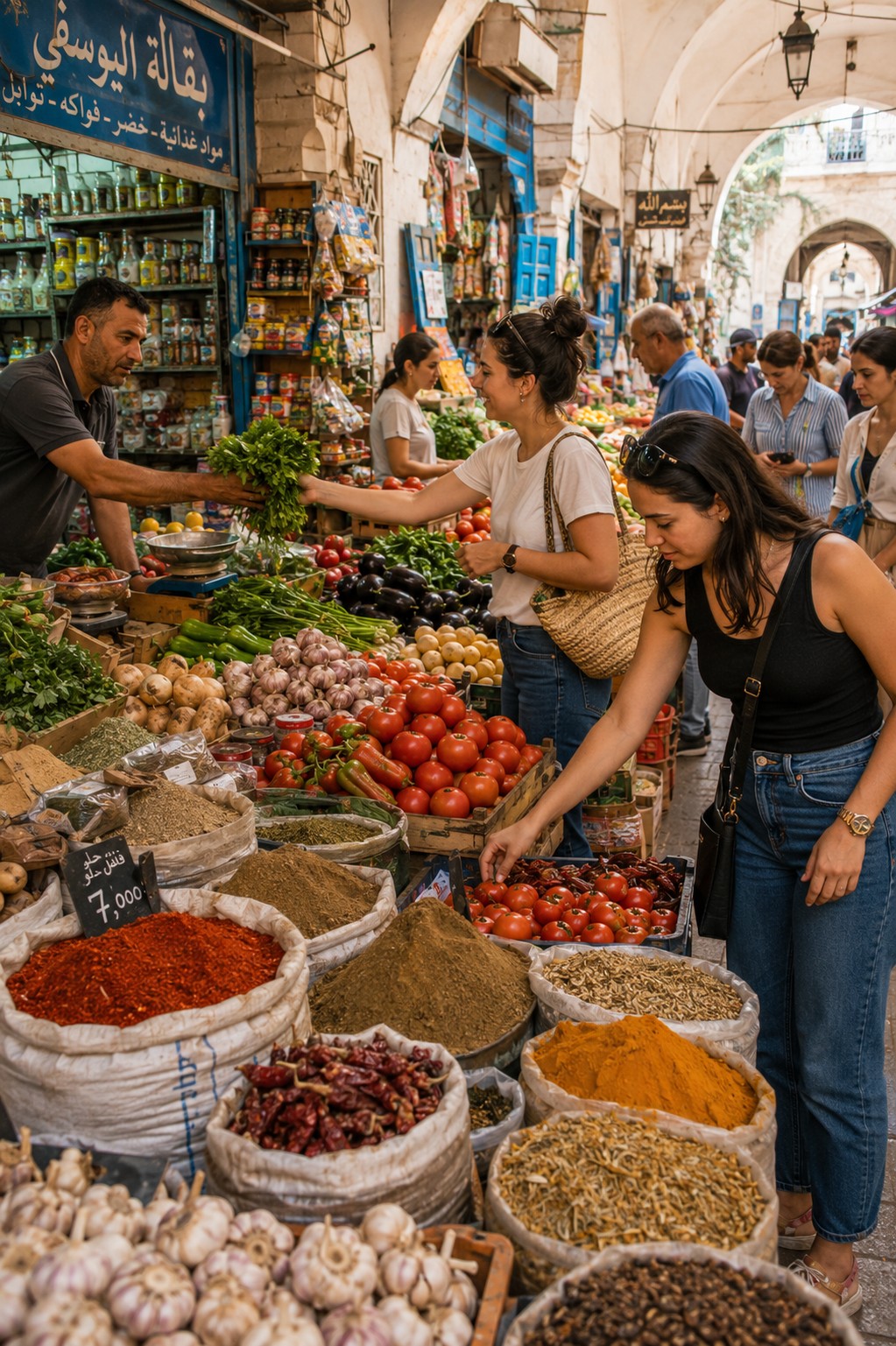
Market
Choosing ingredients yourself, stall by stall, the way it's done every day here.
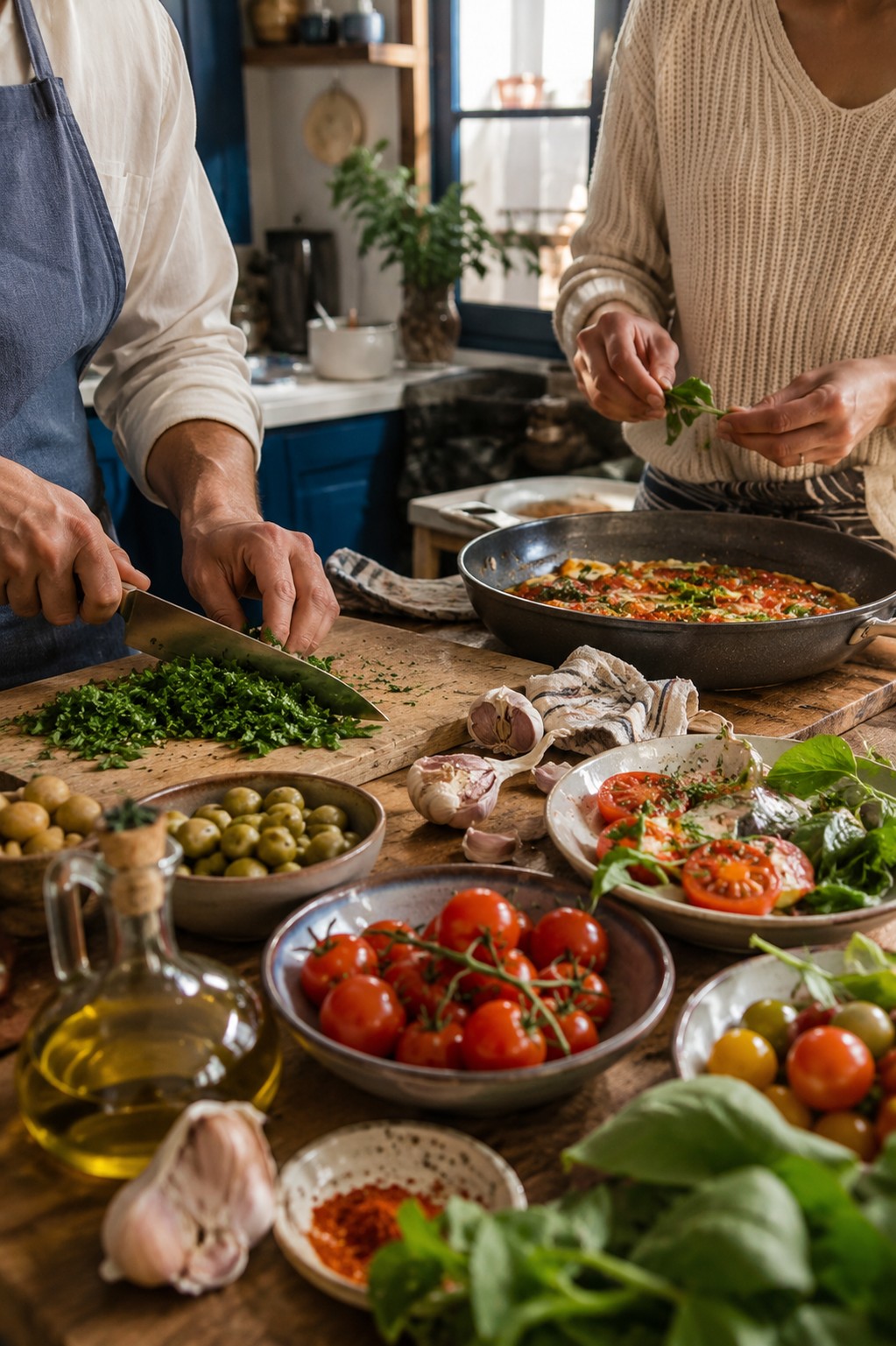
Kitchen
Cooking alongside a local host — hands in the dough, not watching from the sidelines.
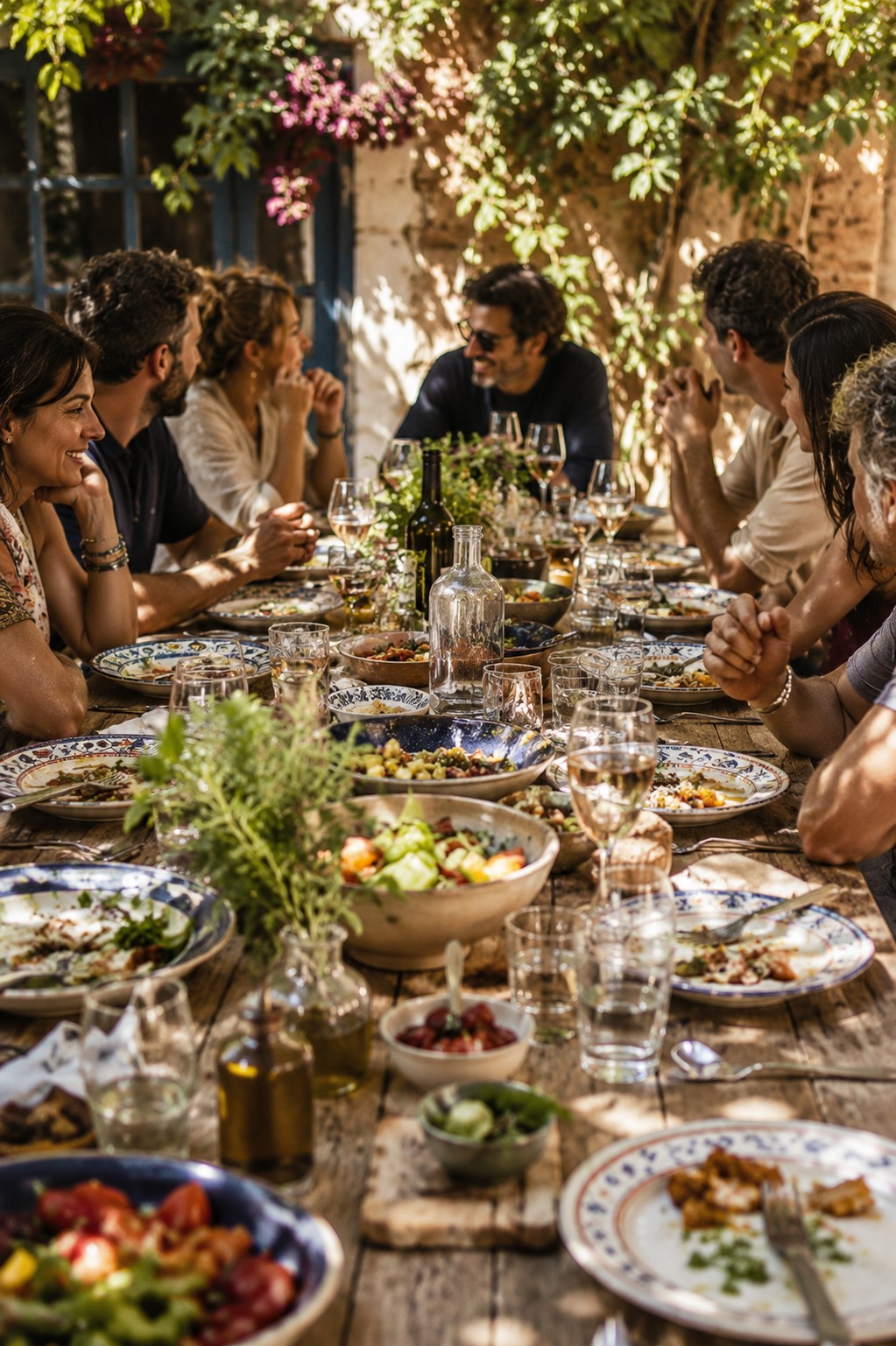
Table
Eating together, slowly, at a table that isn't rushing anywhere.
Don't just taste Tunisia. Cook it.
Generous, unhurried, and unmistakably Tunisian — food that never has to try to look like anywhere else.
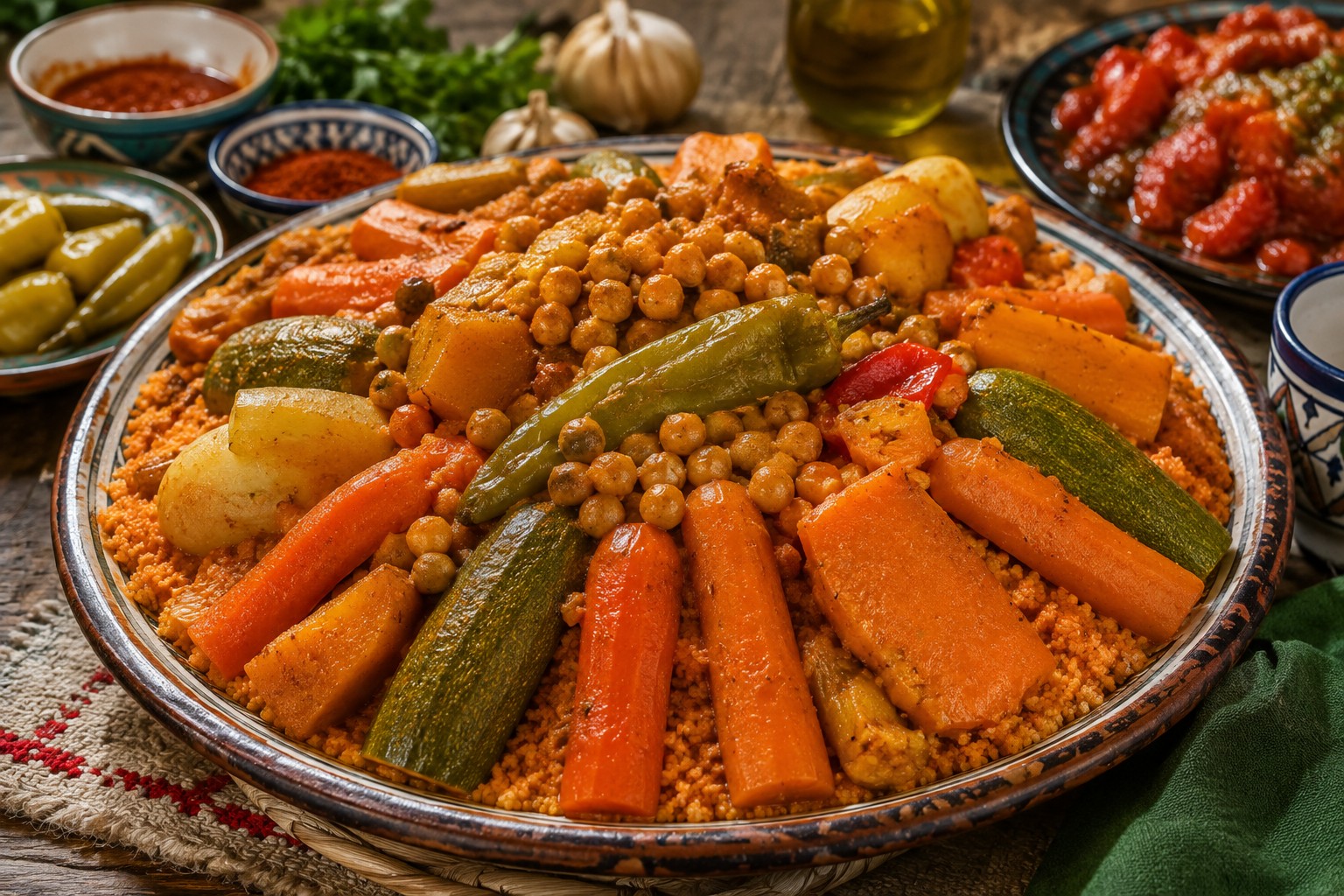
Tunisian Couscous
Steamed by hand, served generously with vegetables, chickpeas and whichever protein the season and coast suggest.
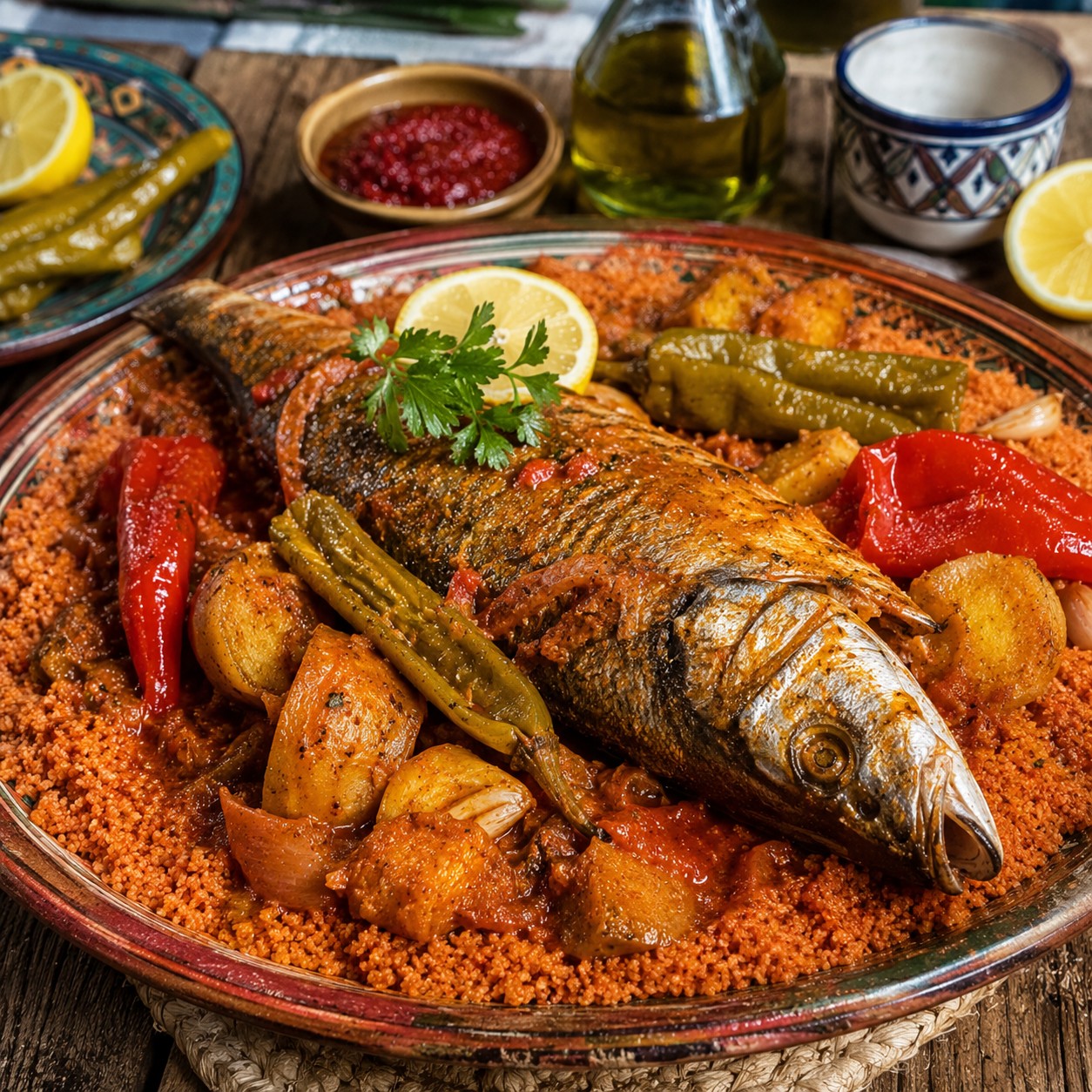
Couscous au Poisson
The coast's version — a whole fish, peppers and a saffron-warmed broth, built around the morning's catch.
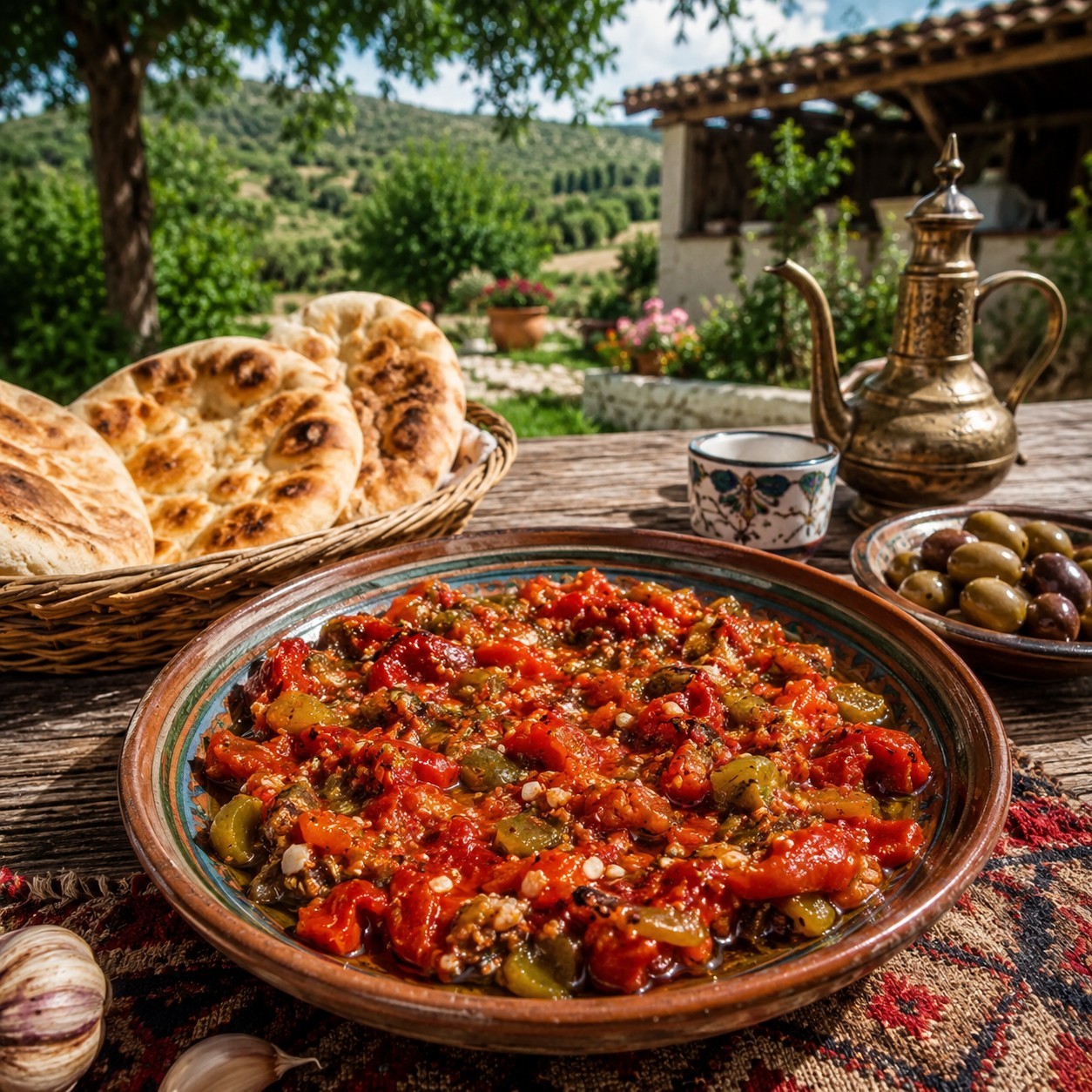
Slata Mechouia
Peppers and tomatoes charred over flame, then dressed simply in olive oil. Smoke, sweetness, and not much else.
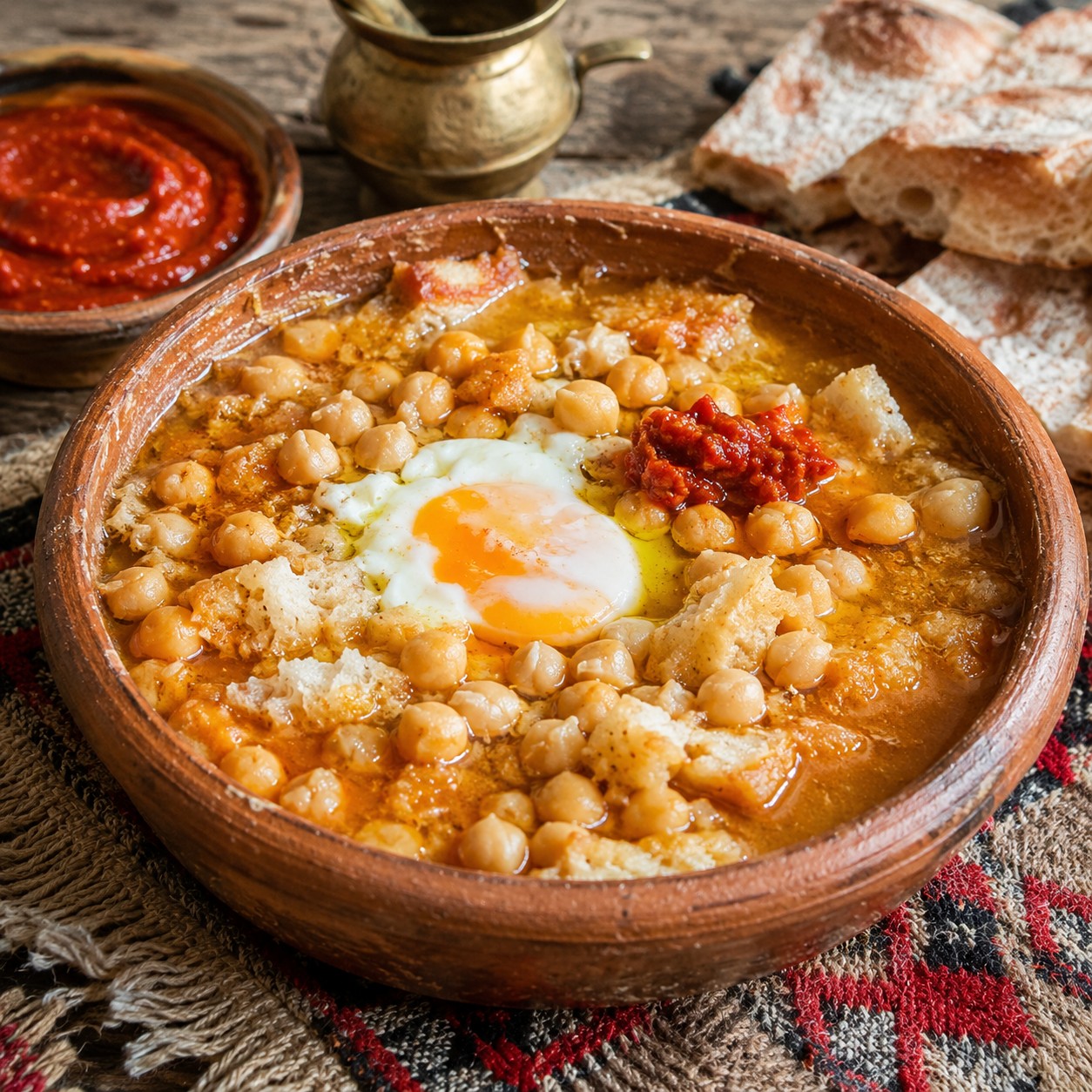
Lablabi
A chickpea broth ladled over day-old bread with cumin, harissa and a soft egg — Tunisia's everyday comfort food.
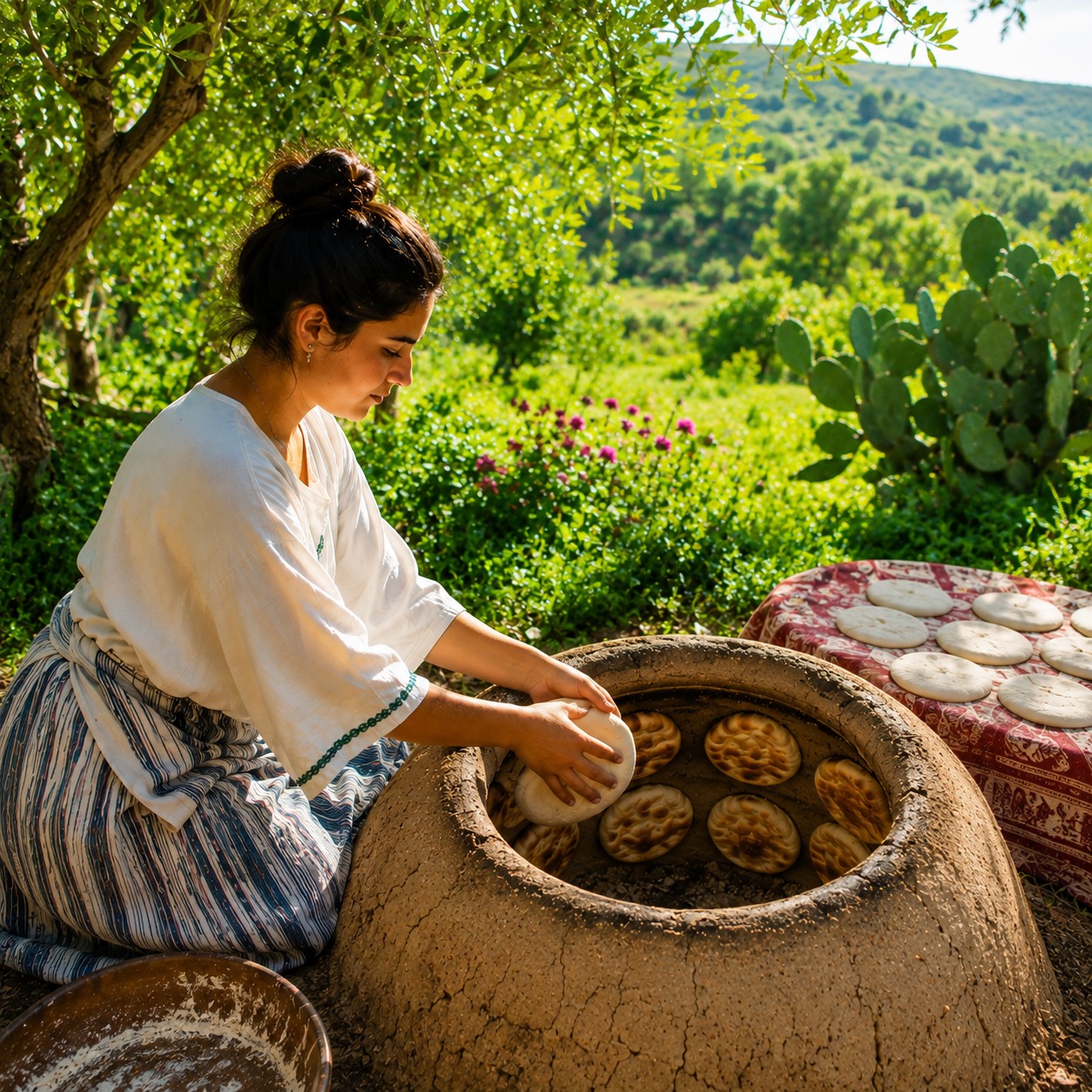
Tabouna Bread
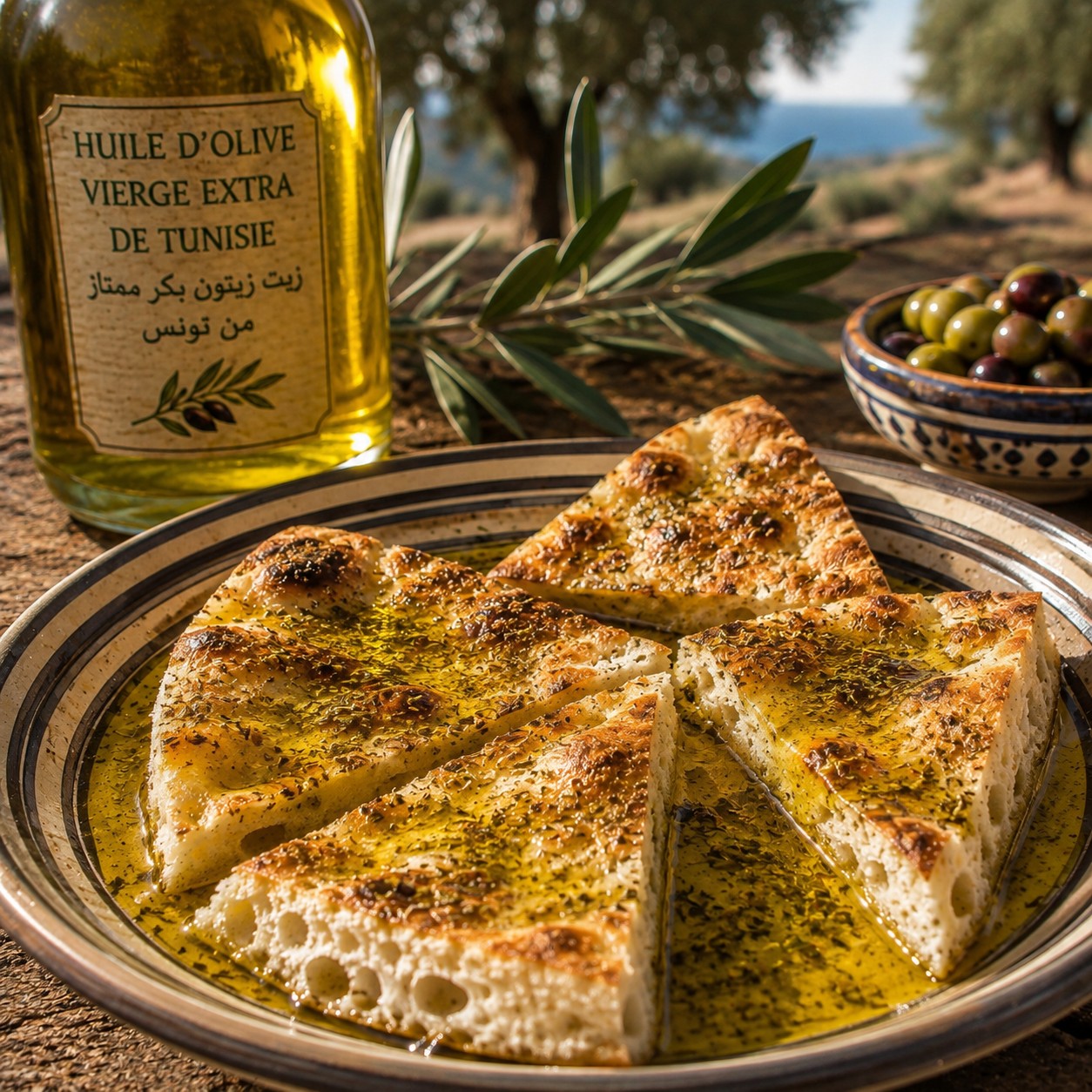
Baked in a traditional clay oven — the bread that starts nearly every Tunisian table.
The ingredients behind the Mediterranean way of eating.
Olives
The tree this coast has kept for millennia.
Extra Virgin Olive Oil
The foundation of the Mediterranean table.
Sun-Dried Tomatoes
Preserved the way this coast always has.
Garlic
A simple ingredient at the heart of countless Mediterranean kitchens.
Chickpeas & Lentils
Legumes that carry a meal on their own.
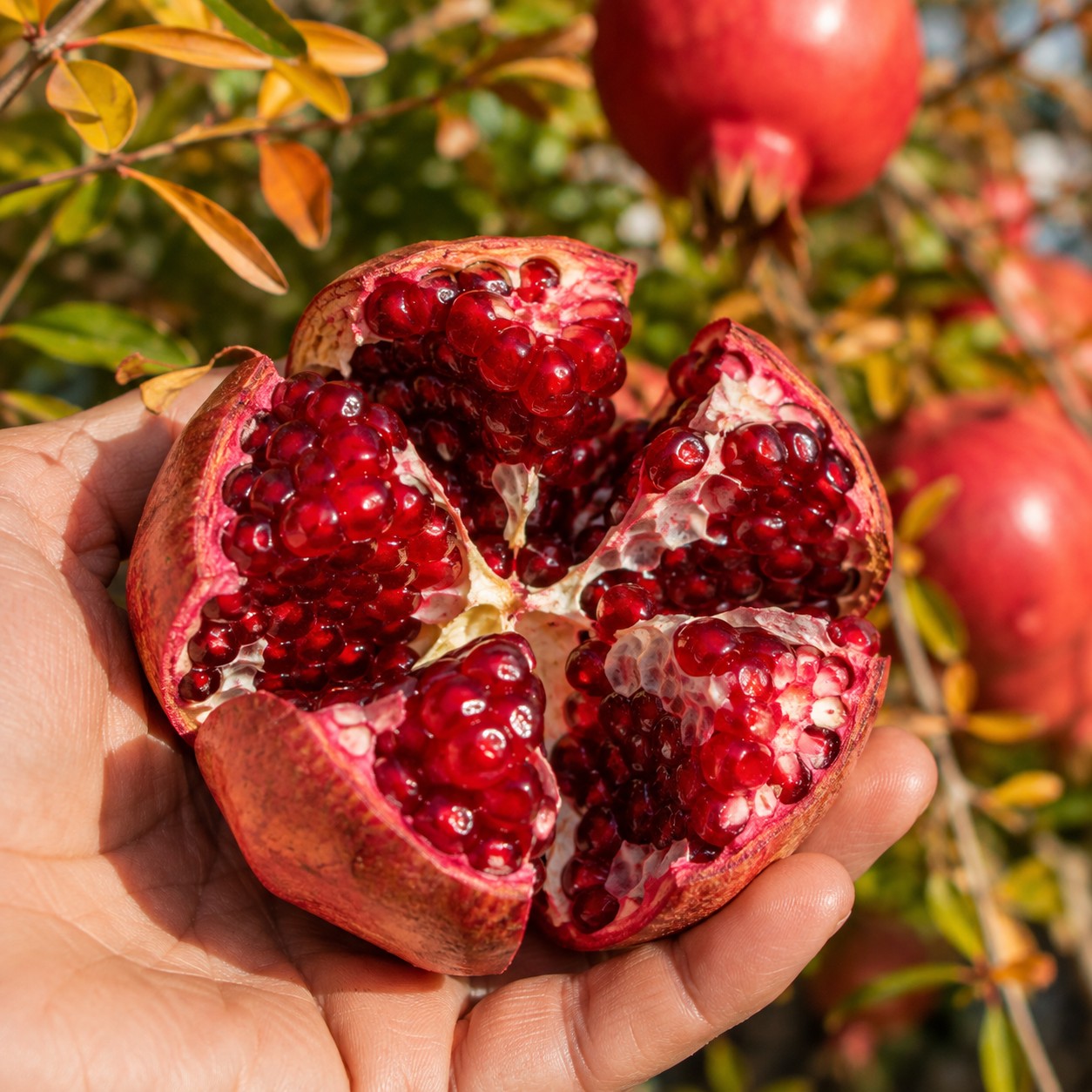
Pomegranates
Autumn's most patient fruit.
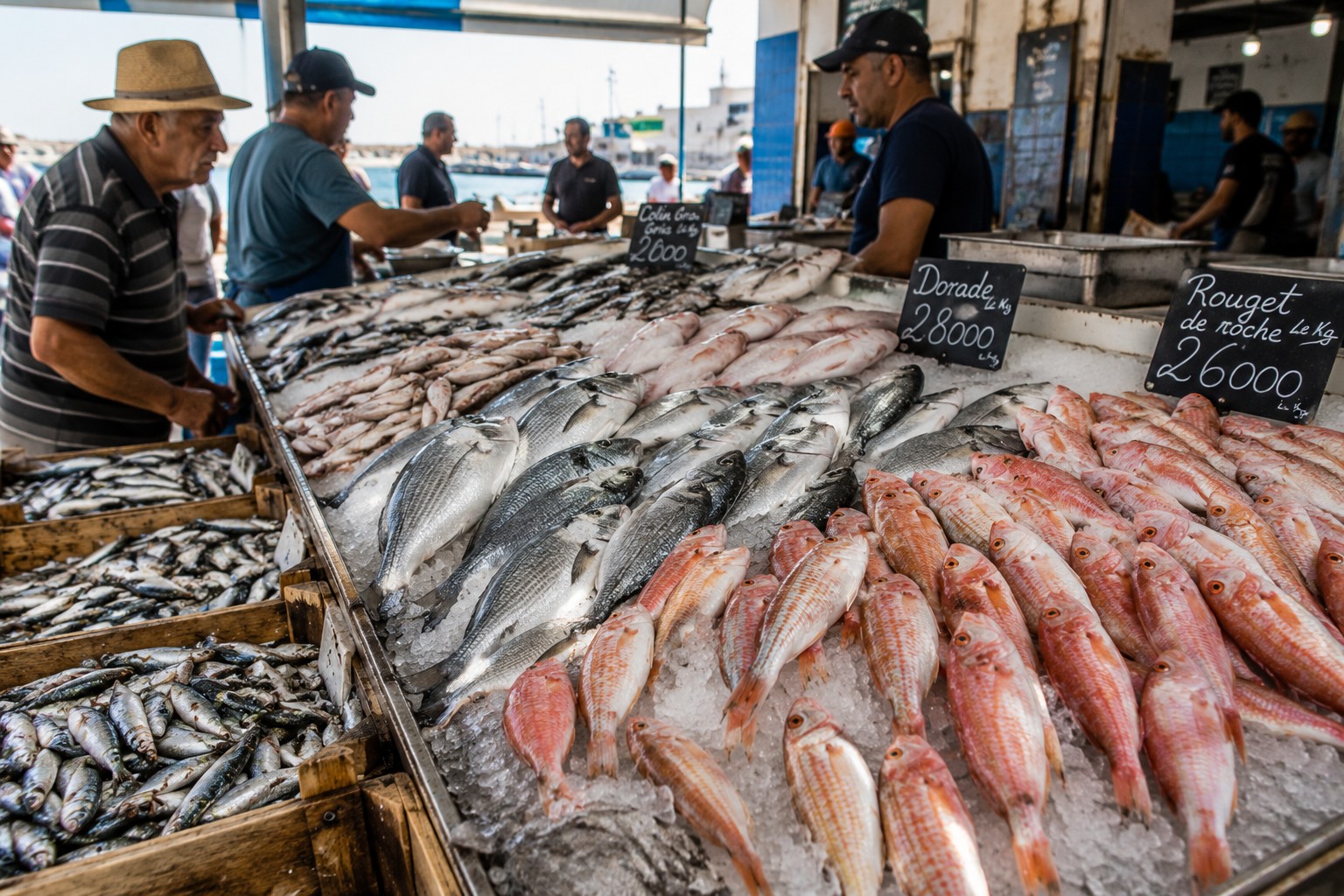
Fresh Fish & Sardines
From the boat to the table the same day.
For a while, change what's on your plate.
For 7, 15 or 30 days, step away from the everyday routine and experience meals built around vegetables, fruit, legumes, grains, olive oil, herbs and fresh local ingredients.
Everyday routine
At Carthage Table
Before Rome, there was Carthage. This is its table.
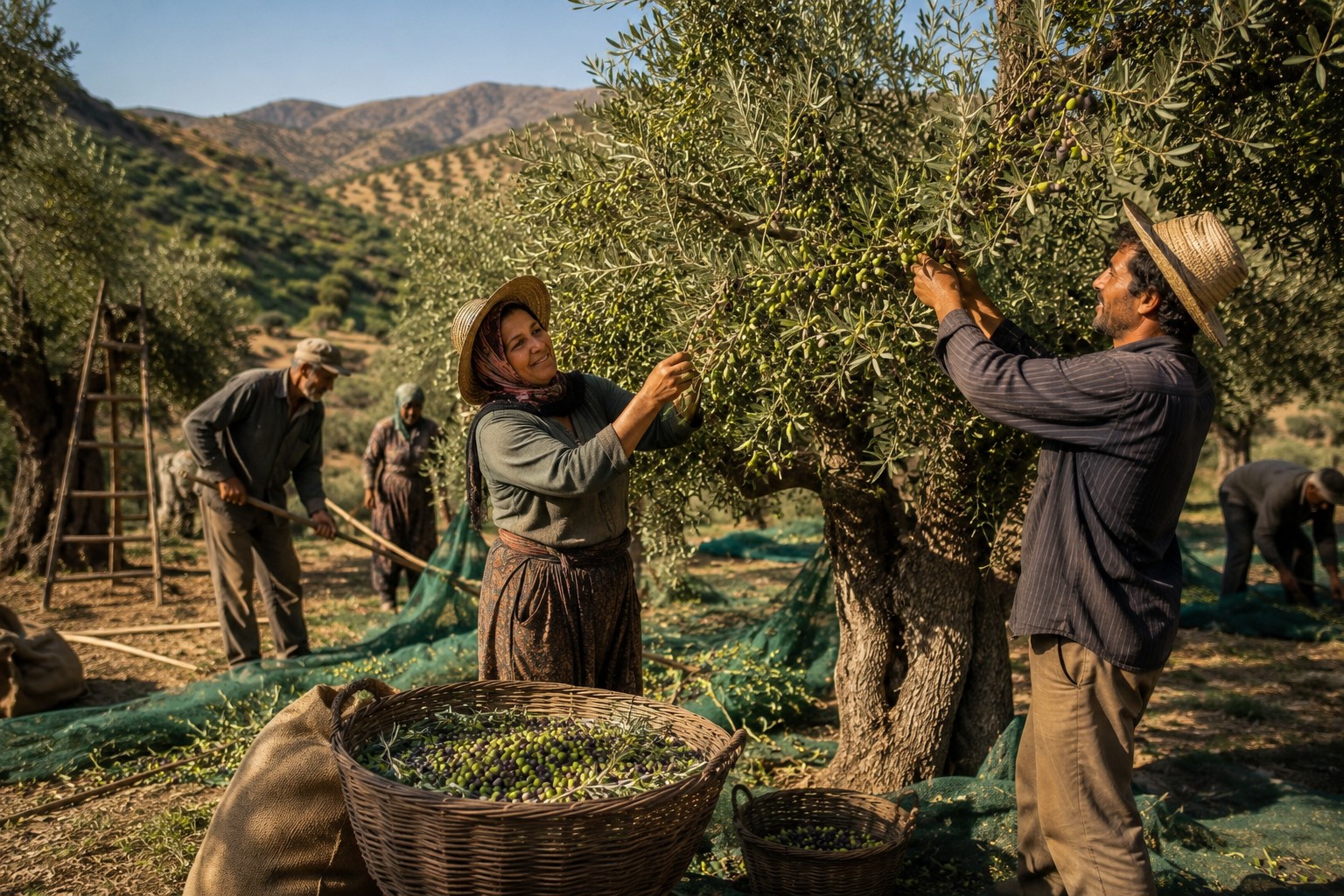
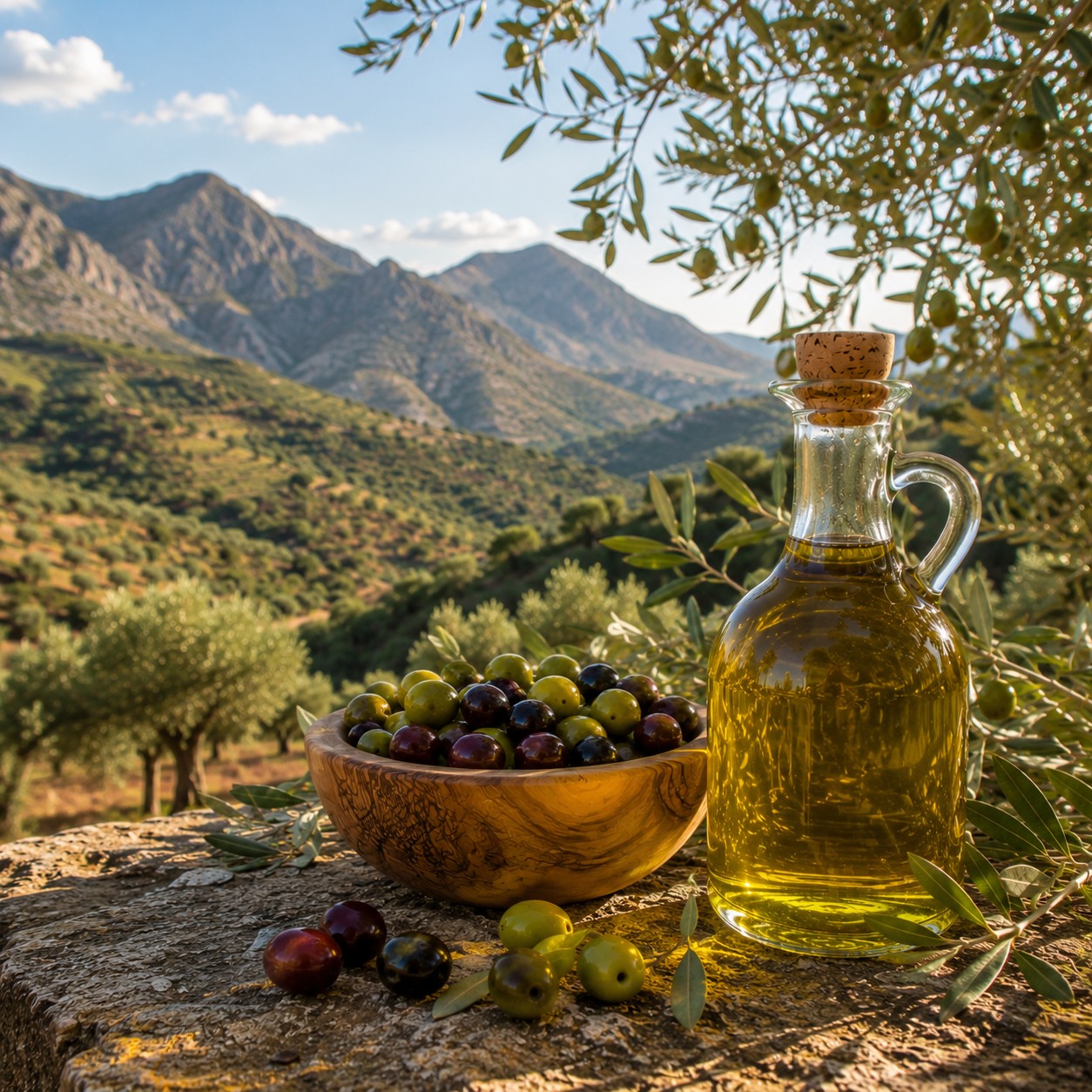
Some of Tunisia's olive trees have stood for centuries — since long before the name Carthage meant ruins on a hill instead of a Mediterranean capital. The oil pressed from them isn't a souvenir — it's the thread that runs through nearly everything you'll eat here, from the bread at breakfast to the fish at dinner.
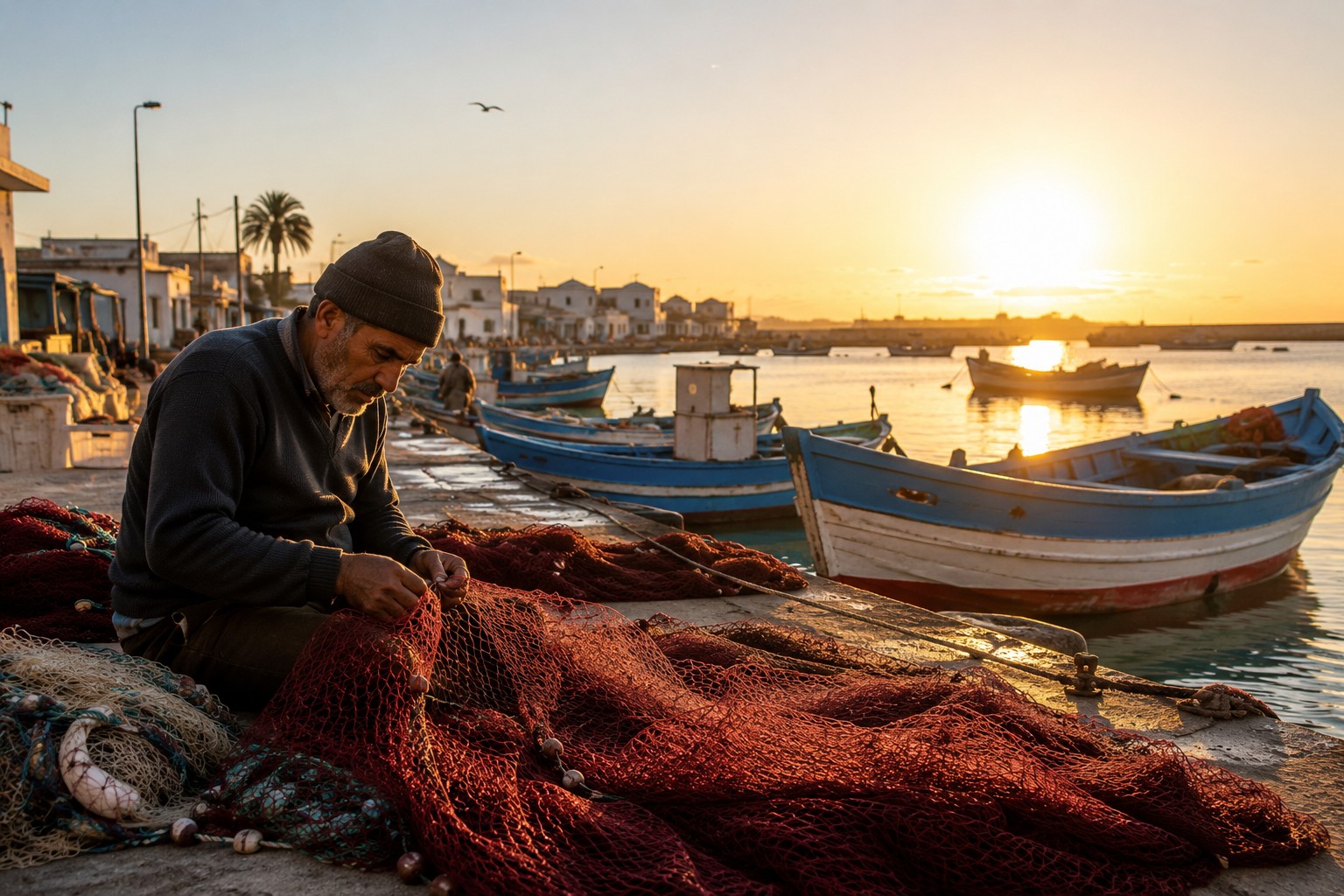
Tunisia is Mediterranean, coastline included.
Small harbors, morning boats, and fish that goes from net to table the same day. This isn't resort-pool tourism — it's a working coast.
Choose a rhythm, not a package.
7 Days
The 7-Day Reset
A first taste of a different rhythm
A realistic entry point for a first Mediterranean reset — markets, olive groves, the sea and a slower pace of eating, without a long absence from home.
15 Days
The 15-Day Reset
Enough time to actually slow down
Our signature journey. Long enough to move through all four pillars — Nourish, Reset, Rest and Discover — at a pace that lets it become a real change of rhythm, not just a good week.
30 Days
30 Days of Mediterranean Living
For deeper immersion
For retirees, remote workers and long-stay travelers who want to live inside the Mediterranean rhythm rather than visit it — priced per week, built around you.
Meet Tunisia through its people.
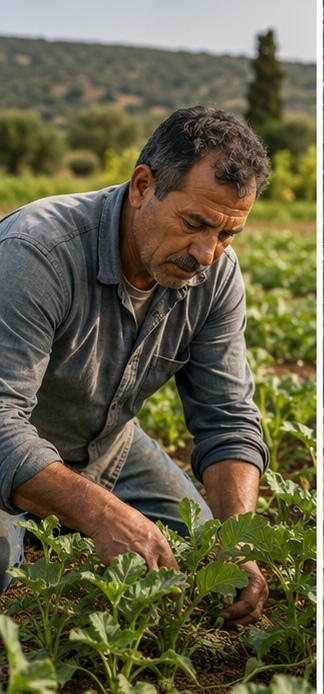
Farmer
Name & story to be added
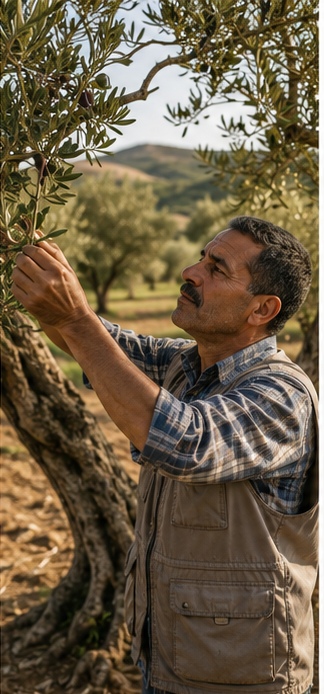
Olive Grower
Name & story to be added
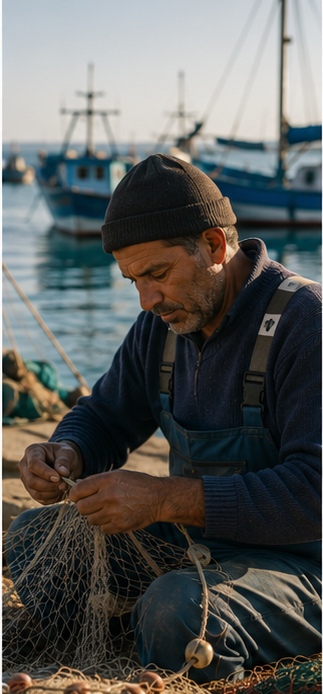
Fisherman
Name & story to be added
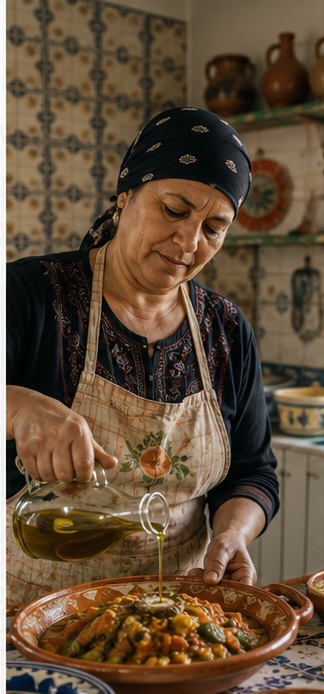
Home Cook
Name & story to be added
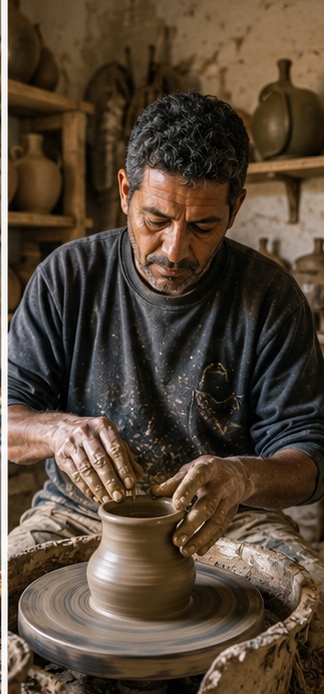
Artisan
Name & story to be added
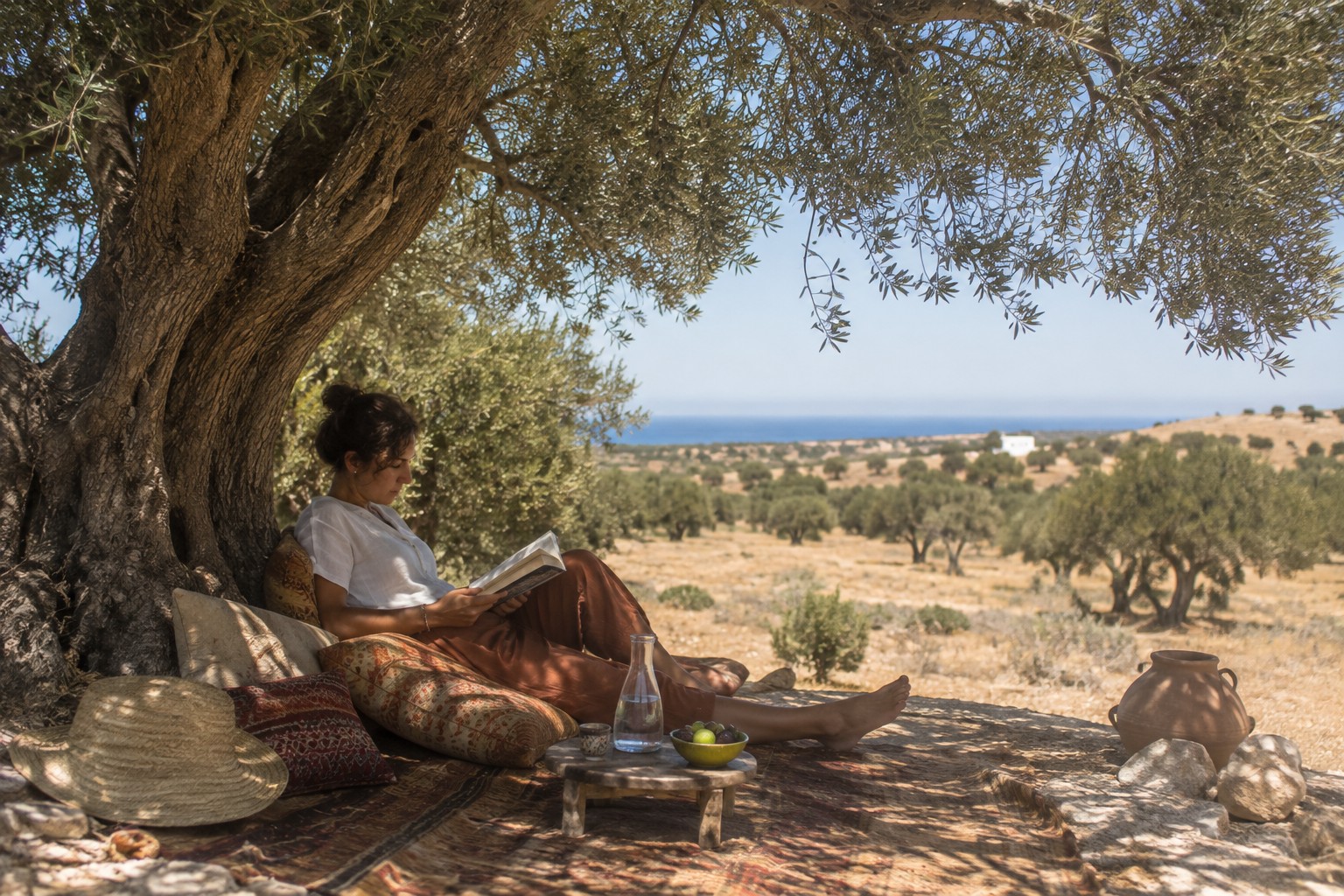
Slow down enough to taste life again.
Never been to Tunisia before? Neither had most of our guests.
Every practical detail — arrival, transport, dietary needs, safety — is handled before you land. Nothing about this trip should feel uncertain.
- Airport pickup on arrival
- English-speaking hosts throughout
- All ground transportation
- Accommodation confirmed before you book
- Meals as specified in your itinerary
- Guidance on dietary needs and allergies
From the people who've sat at the table.
Testimonial placeholder
Real guest review to be added after the first departures. No testimonials are published until they are genuinely collected.
Testimonial placeholder
Real guest review to be added after the first departures. No testimonials are published until they are genuinely collected.
Testimonial placeholder
Real guest review to be added after the first departures. No testimonials are published until they are genuinely collected.